April 24, 2026
Sewer lines are one of the most important parts of your home's plumbing system, yet many homeowners rarely think about them until a serious problem occurs. These underground pipes carry wastewater away from sinks, toilets, showers, and appliances, helping maintain sanitation and proper drainage throughout the house. Because sewer lines are hidden from view, small problems can go unnoticed until they develop into costly and disruptive plumbing emergencies.
Understanding how sewer lines work and what causes common issues can help homeowners protect their plumbing systems. Professional plumbers often see the same problems repeatedly and wish more homeowners knew how to prevent them. By learning a few important insights from a local plumber, you can avoid unnecessary repairs and keep your sewer system working efficiently for years to come.
1. Sewer Lines Can Last Decades With Proper Care
Many homeowners are surprised to learn that sewer lines are designed to last for a very long time. When installed properly and maintained over the years, these underground pipes can function effectively for decades. However, the exact lifespan depends on the material used and the conditions surrounding the pipe.
According to HomeGuide, sewer lines generally last 30 to 100 years, depending on the material used. Older clay or cast iron pipes may deteriorate sooner than modern PVC systems, especially if the surrounding soil shifts or tree roots invade the line. A local plumber can inspect sewer lines periodically to help identify aging pipes before they fail.
2. Tree Roots Are One of the Biggest Threats
Tree roots are a common cause of sewer line damage because they naturally grow toward sources of moisture. Even the smallest crack or joint in a sewer pipe can attract roots, which eventually grow into the pipe and restrict water flow. Over time, these roots can expand and cause severe blockages or even break the pipe completely.
Homeowners often do not realize there is a root problem until drains begin slowing down or sewage backs up inside the home. Regular inspections from a local plumber can detect early signs of root intrusion before the damage becomes severe. Preventative maintenance can save homeowners from extensive excavation and pipe replacement.
3. Grease and Food Waste Can Damage Sewer Lines
Many sewer problems begin inside the kitchen. Grease, oils, and food scraps that are washed down the sink may seem harmless at first, but they can harden and accumulate inside pipes over time. As grease cools, it sticks to the interior walls of the pipe and gradually narrows the passage for wastewater.
Eventually, this buildup can cause slow drains, unpleasant odors, and major blockages within the sewer line. A local plumber often recommends disposing of grease in containers rather than pouring it down the drain. Avoiding this common mistake can significantly reduce the risk of sewer line clogs.
4. Sewer Line Problems Often Show Warning Signs
While sewer lines are hidden underground, they rarely fail without showing some warning signs first. Slow-draining sinks, gurgling toilets, foul odors, and water backing up in tubs or showers can all indicate that a sewer line problem is developing. These symptoms often start small but gradually become worse over time.
Homeowners who contact a local plumber as soon as these signs appear may be able to resolve the issue before it becomes a major emergency. Early detection often allows plumbers to clear blockages or repair small sections of pipe instead of replacing the entire line.
5. Sewer Inspections Can Prevent Major Repairs
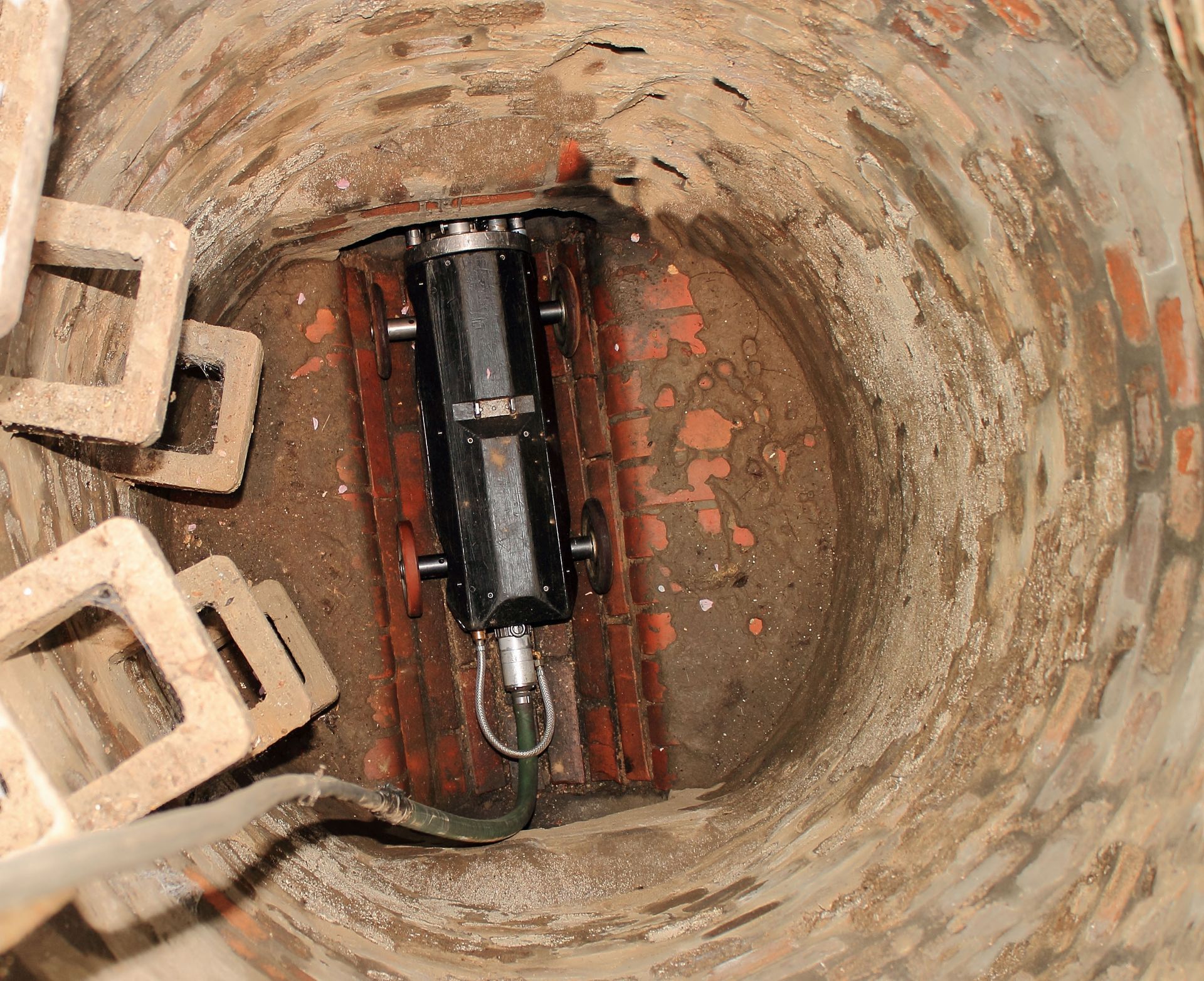
Modern plumbing technology allows plumbers to inspect sewer lines using specialized cameras inserted into the pipe. This equipment provides a clear view of the pipe's interior, allowing professionals to identify cracks, blockages, root intrusion, or other issues. Camera inspections are one of the most effective tools for diagnosing sewer problems.
Scheduling periodic inspections with a local plumber can help homeowners stay ahead of potential issues. If a small problem is discovered during an inspection, it can often be repaired quickly before it leads to expensive excavation or pipe replacement.
6. Flushing the Wrong Items Causes Serious Damage
Toilets are designed to handle only human waste and toilet paper, yet many households flush other items that should never enter the plumbing system. Wipes, paper towels, hygiene products, and other materials do not break down properly and can accumulate inside pipes.
These materials frequently cause blockages that lead to sewer backups. A local plumber often reminds homeowners that even products labeled as "flushable" can still create problems in sewer systems. Being careful about what goes down the toilet can prevent costly repairs.
7. Ground Movement Can Damage Underground Pipes
Sewer lines are buried underground, which means they are affected by shifting soil and ground movement. Changes in temperature, heavy rainfall, and construction activity can all cause the soil surrounding pipes to shift. Over time, this movement can create cracks, misaligned joints, or collapsed sections of pipe.
When this happens, wastewater may leak into the surrounding soil or become obstructed within the pipe. A local plumber can evaluate suspected damage and recommend repair solutions such as pipe relining or targeted replacement to restore proper drainage.
8. Preventative Maintenance Saves Money Long-Term
Many sewer line emergencies occur because routine maintenance was overlooked. Simple preventive services such as professional drain cleaning, inspections, and early repairs can help keep sewer lines functioning properly for many years. Ignoring maintenance often leads to bigger problems that require expensive excavation.
Working with a trusted local plumber for periodic maintenance can help homeowners protect their plumbing systems and avoid unexpected disruptions. Preventive care is typically far more affordable than dealing with a full sewer line replacement.
9. Professional Repairs Protect Your Home and Property
Sewer line problems can cause significant damage if they are not handled properly. Wastewater leaks may contaminate soil, damage landscaping, or create health hazards around the property. Attempting to repair sewer lines without proper equipment and experience can also worsen the situation.
When sewer issues arise, it is best to rely on a qualified local plumber who understands how to diagnose and repair underground plumbing systems safely. Professional repairs ensure the sewer line is restored correctly and help protect the long-term safety of the home.
10. Acting Quickly Can Prevent Plumbing Emergencies
Sewer line issues rarely improve on their own, and delaying repairs often allows the damage to worsen. What begins as a minor blockage or crack can eventually lead to sewage backups, flooding, and costly property damage. Acting quickly when problems appear is one of the most important steps homeowners can take.
Calling a local plumber at the first sign of sewer trouble allows professionals to identify the cause and recommend the best solution. Prompt action can often prevent emergencies and reduce the overall cost of repairs.
Sewer lines play a critical role in keeping your home clean, safe, and functional. Understanding the common issues that affect these underground pipes can help homeowners avoid costly damage and unexpected plumbing problems. If you suspect a sewer line issue or want to schedule an inspection, the experienced team at B&E Plumbing is here to help. Contact our professionals today to speak with a trusted local plumber who can keep your plumbing system running smoothly. We're standing by to answer any questions you may have about our services. We look forward to working with you soon!